
Wood Fencing Installation

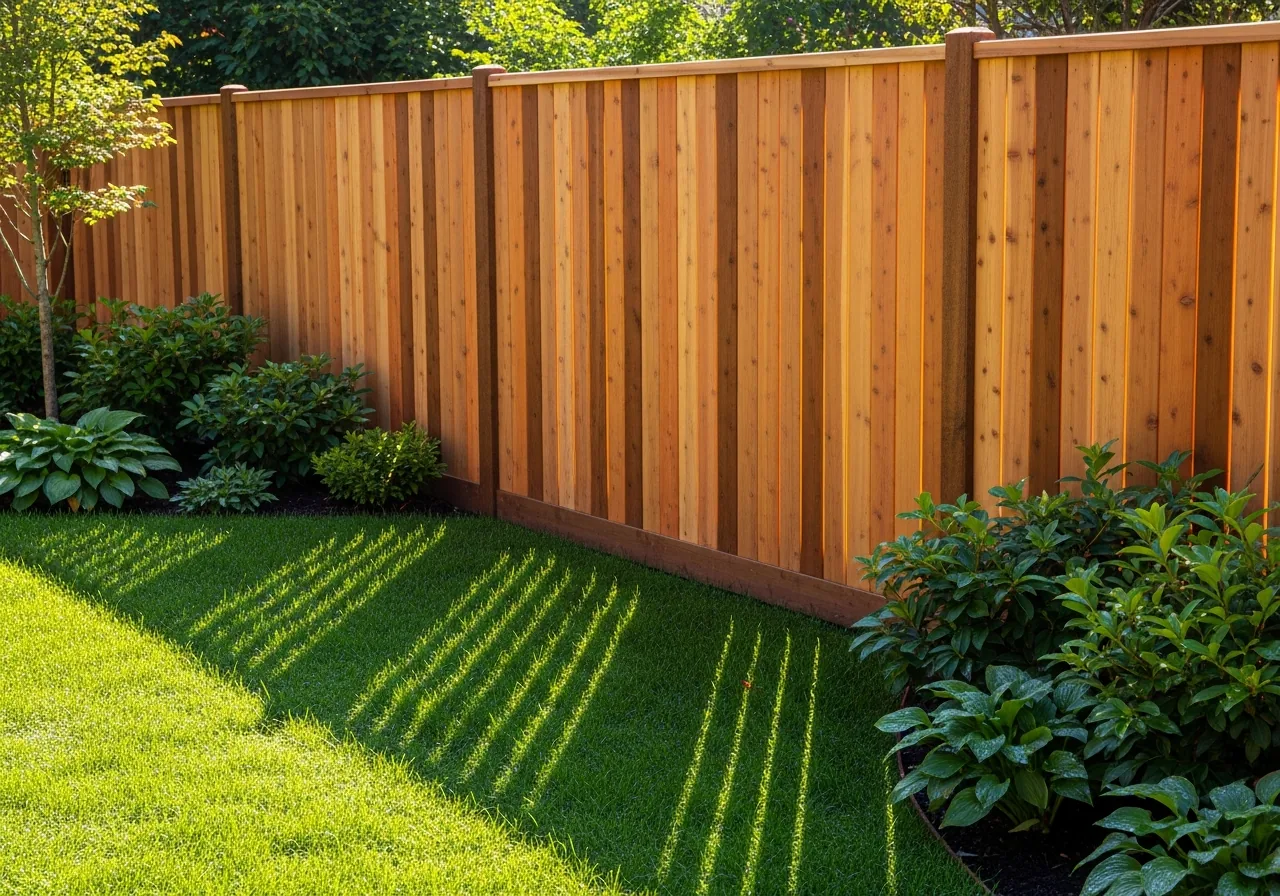
Wood fencing remains the most popular choice for homeowners across Fort Wayne, New Haven, and the surrounding Allen County communities — and for good reason. Nothing matches the warmth, privacy, and timeless curb appeal of a well-built wood fence. At Precision Fencing, we don't unload pre-assembled, flimsy panels off a big-box truck and call it a day. We stick-build every wood fence on site, board by board, so the finished product follows the natural contour of your yard and stands straight for decades.

Whether you want the natural rot-resistance and rich grain of Western Red Cedar or the rugged, economical strength of pressure-treated pine, we help you choose the right material for your budget, your style, and the way you actually use your backyard. Then we build it the right way — the only way we know how.

01Natural, warm aesthetic that blends with any landscaping
02Cost-effective privacy at a lower price-per-foot than vinyl
03Fully customizable heights and styles — picket, shadowbox, board-on-board, dog-ear
04Built with hot-dipped galvanized fasteners that won't rust-bleed
Custom cedar wood privacy fence installation in Fort Wayne Indiana backyardWood Fencing Installation

Why it matters.

  • 01
    Cedar vs. Pressure-Treated Pine

    Western Red Cedar is the premium choice. It contains natural oils that resist rot, decay, and insects without chemical treatment, and it weathers to a beautiful silver-gray (or holds a rich tone for years if you stain it). Cedar is dimensionally stable, meaning it's far less likely to warp, cup, or twist than cheaper softwoods — a real advantage through Indiana's freeze-thaw cycles.

    Pressure-treated pine is the workhorse. It's chemically treated to resist ground moisture and insects, costs noticeably less than cedar, and delivers excellent structural strength. We often use treated pine for posts and structural framing even on cedar fences because it performs so well below grade. For homeowners watching the budget, a full treated-pine fence is a smart, durable investment.

    On your free estimate, we'll walk your property, talk through how long you plan to stay in the home, and give you honest pricing on both options so you can decide what's right for you.

  • 02
    Styles We Build

    Privacy (board-on-board & shadowbox): Six-foot tall, fully blocking sightlines. Board-on-board overlaps pickets for zero gaps even as wood naturally shrinks; shadowbox alternates pickets front-to-back so the fence looks finished from both sides and lets a breeze through.

    Picket: The classic three-to-four-foot front-yard look — dog-ear, gothic, or flat-top pickets that define a boundary and boost curb appeal without closing off the view.

    Ranch rail & custom: Split-rail and post-and-rail for larger lots, plus custom gates, lattice tops, and decorative post caps. If you can picture it, we can build it.

  • 03
    Why Our Wood Fences Outlast the Rest

    The difference between a fence that leans after one winter and a fence that stands straight for 20 years is almost always in the posts. We dig every post hole below the 36-inch frost line, set posts in a proper concrete footing, and crown the concrete so water sheds away from the wood instead of pooling at the base. We use galvanized or stainless ring-shank nails and screws so you'll never see ugly black rust streaks bleeding down your pickets. And because we build on site, your fence steps cleanly with the grade instead of leaving awkward gaps at the bottom.

How we build it.

  1. 01

    Free On-Site Estimate

    We walk your yard, confirm the layout, discuss material and style, and give you a clear written quote.

  2. 02

    Permits & Locates

    We help pull any required permit and schedule the 811 utility locate so we dig safely.

  3. 03

    Stick-Built Installation

    Posts set below frost line in concrete, then framing and pickets built on site to follow your grade.

  4. 04

    Walk-Through & Warranty

    We clean up completely, walk the finished fence with you, and back our workmanship.

What goes in the ground.

Dog-Ear Privacy

Full privacy4', 5', 6'

The classic Midwest privacy fence. Six-inch pickets run edge to edge with the top corners clipped at an angle, giving you a solid wall with a softer top line than a flat-top fence.

Recommended For

Backyards, pool enclosures, and dog runs where you want a solid barrier at the best price per foot.

Specifications

Pickets
1x6x6' dog-ear, treated SYP or CedarGlow cedar
Rails
2x4x8' treated, ground contact #2
Posts
4x4 treated #2 — 8', 10', or 12' depending on height
Fasteners
Exterior ring-shank, hot-dip galvanized

Board-on-Board

Full privacy — stays solid6'

Pickets overlap each other by roughly a third instead of butting edge to edge. When the wood dries and shrinks through its first summer, the overlap absorbs the movement and you still can't see through the fence.

Recommended For

Homeowners who want genuinely zero gaps for the life of the fence and are willing to pay for the extra material.

Specifications

Pickets
1x6x6' cedar or treated SYP, overlapped ~1/3
Material use
Roughly 40% more pickets than a butted fence
Rails
2x4x8' treated, ground contact #2
Posts
4x4 treated #2, or PostMaster+ steel

Shadowbox (Good Neighbor)

Semi-private5', 6'

Pickets alternate between the front and back of the rails. The fence looks identical from both yards and air moves through it, which makes it far more forgiving on exposed, windy property lines.

Recommended For

Shared property lines and HOA neighborhoods that require a finished face on both sides.

Specifications

Pickets
1x6x6' alternating front and back with a small overlap
Sight line
Solid head-on, open at an angle
Wind
Air passes through — less sail area than solid privacy
Rails
2x4x8' treated, ground contact #2

Pre-Stained Privacy

Full privacy6'

The same privacy build, but every board arrives already stained and sealed on all four sides. The fence is finished the day we leave, including the faces you could never reach with a brush once it's standing.

Recommended For

Anyone who doesn't want to spend a weekend staining a fence next spring, and anyone building against a tight property line.

Specifications

Pickets
Pre-stained 1x6x6' dog-ear CedarGlow
Rails
Pre-stained 2x4x8' treated GC #2
Posts
Pre-stained 4x4x8' GC #2 treated
Finish
Factory stain and seal — no site application

Spaced Picket

Open view3', 4'

A short front-yard fence with visible gaps between pickets. It marks the yard, keeps small dogs and kids in, and still lets the house show from the street.

Recommended For

Front yards, garden borders, and curb appeal where a six-foot wall would look out of place.

Specifications

Pickets
1x6x6' cut to height, dog-ear or flat top
Spacing
Typically 2"–3" between pickets
Rails
2x4 treated, two rails at this height
Posts
4x4 treated #2 or 4x4 French Gothic

French Gothic Post

Full privacy6'

A standard privacy run with the posts left standing proud of the pickets and finished with a milled French Gothic point. It breaks up a long flat fence line without the cost of a decorative panel.

Recommended For

Adding a detail line to an otherwise plain run, especially on street-facing sides.

Specifications

Posts
4x4 French Gothic, milled point
Pickets
1x6x6' dog-ear or flat top
Post reveal
Posts finish above the picket line
Rails
2x4x8' treated, ground contact #2

Steel-Post Privacy

Full privacy6'

A wood fence built on hidden galvanized steel posts instead of 4x4s. The steel disappears inside the fence line, so neither neighbor gets the "ugly side," and the part that normally rots — the wood post at grade — isn't there.

Recommended For

Open, windy lots, wet ground, and anyone who has already replaced a rotted wood post once.

Specifications

Posts
PostMaster+ steel line/end — 9' or 12'
Wind rating
Engineered to stand at 70+ mph
Warranty
Lifetime limited warranty on the post
Appearance
True good-neighbor — no post or rail shows on either side

Good questions deserve direct answers.

Need something more specific? Call the team.

(260) 381-7145
01How long does a wood fence last in Indiana?

A properly built cedar fence typically lasts 15–25 years, and pressure-treated pine 12–20 years, depending on maintenance. Posts set below the frost line in concrete are the single biggest factor in longevity — which is exactly how we build every fence.

02Do I need to stain or seal my new wood fence?

It's optional but recommended. Sealing or staining cedar every 2–4 years preserves color and extends its life. If you prefer the natural weathered-gray look, cedar can be left untreated and will still resist rot. We'll let the wood dry out for a few weeks before you apply any finish.

03How much does a wood fence cost in the Fort Wayne area?

Pricing depends on linear footage, height, style, material, and terrain. Pressure-treated privacy fencing is the most economical, with cedar at a premium. We provide free, no-pressure written estimates so you get an exact number for your project.

04How deep do you set the posts?

We dig below Indiana's 36-inch frost line and set every post in concrete. This prevents frost heave from lifting and leaning your fence through our freeze-thaw winters.

05Can you build a fence that looks good from both sides?

Yes. A shadowbox (good-neighbor) style alternates pickets so the fence looks finished from both the inside and outside — a popular choice when you want to keep things friendly with the neighbors.

Request a Quote

Fill out the form below to get an estimate for your new wood fencing installation.

Free on-site estimate

Start the conversation

No pressure. No obligation. Response within 24 hours.